
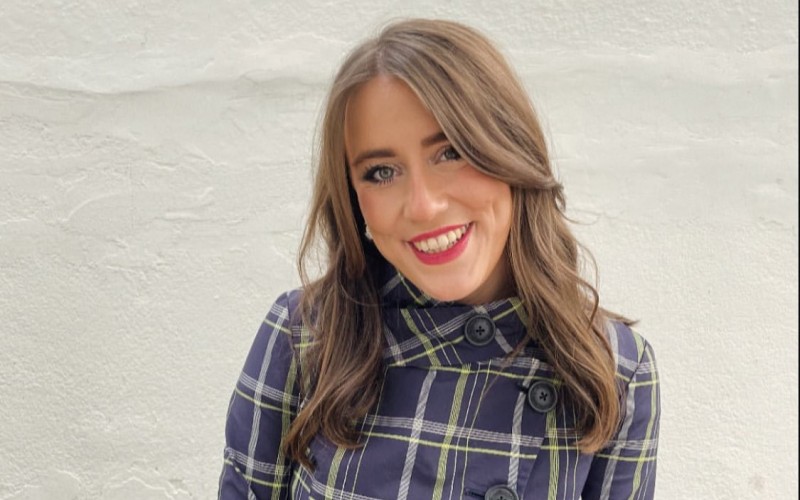
Marianna Spring is a British broadcast journalist, author and presenter who investigates online misinformation. She became the BBC’s first specialist reporter for disinformation and social media and now serves as its Social Media Investigations Correspondent. Her work covers conspiracy theories, online hate, artificial intelligence and algorithms across television, radio and podcasts.
Who Is Marianna Spring?
Born on 21 February 1996, Marianna Spring grew up in Sutton, south London. She became interested in news as a child, watching BBC World News while on holiday and writing stories in a notebook. The attacks of 11 September 2001 deepened her curiosity about fear, violence and why people do harmful things.
Her family background shaped her interviewing style. Her father is a doctor, while her mother worked as a nurse before becoming a family therapist. Spring says her mother’s calm manner helped her speak with people who hold extreme views. Rather than begin with an argument, she asks how a belief started and why it matters to that person.
Marianna Spring’s Education and Early Journalism
Marianna Spring attended Sutton High School GDST. While there, she joined a young journalists’ scheme, received recognition for her writing and worked as a ball girl at Wimbledon. These experiences introduced her to live events, public communication and the discipline of media work.
She studied French and Russian at Pembroke College, University of Oxford, from 2014 to 2018. At Oxford, she wrote for and edited Cherwell, the independent student newspaper. Her course also took her to Russia and France, where she gained practical experience in foreign journalism.
Reporting from Russia and France
During her year abroad, Spring studied in Yaroslavl and wrote news stories for The Moscow Times. She also contributed to The Local in Paris and Le Tarn Libre. In 2017, she won the Ronnie Payne Prize for Outstanding Foreign Reporting from the Philip Geddes Trust.
Before joining the BBC, she gained experience at The Guardian and Private Eye and wrote about social issues, including domestic abuse in Russia. Her language skills and clear approach to difficult subjects helped her stand out in a competitive field.
Her Route into the BBC
After university, Spring was not accepted onto the BBC’s graduate training scheme. She continued developing her work and contacted journalists she admired. Emily Maitlis replied and offered her shifts on Newsnight, giving her an entry into BBC journalism.
In 2018, she helped produce a Newsnight segment about the gilets jaunes protests in France. She also explored how a false Woolworths story spread online and was repeated by newspapers. These assignments showed her interest in the link between social media, public trust and traditional journalism.
Becoming a Disinformation Specialist
In March 2020, Spring became the BBC’s first specialist disinformation and social media reporter. The coronavirus pandemic created an urgent need for trustworthy health coverage. She examined vaccine myths, false claims about the virus, conspiracy movements and the harm caused when online rumours influence personal decisions.
In August 2022, she moved into a correspondent role, later becoming Social Media Investigations Correspondent. Her work covers elections, foreign influence, health, online abuse, artificial intelligence and recommendation systems.
What Marianna Spring Investigates
Marianna Spring does more than check whether a post is true or false. She examines who created it, how it travelled and what happened after people believed it. Her investigations connect online material with events in homes, schools, communities and courts.
One important project was Undercover Voters for Americast. Spring created fictional social media accounts based on research about US voters. The accounts had different ages, backgrounds and political views, allowing her to examine how recommendation systems showed different material to different people. The project made personalised feeds easier to understand.
Her work has also examined social media’s effect on teenagers. In a Panorama investigation about Olly Stephens, she explored the connection between online contact, violent material and platform design. Other projects looked at terror survivors targeted by conspiracy theorists and the rise of online abuse against women.
Marianna Spring’s Podcasts and Documentaries
Radio and Podcast Work
Marianna Spring has built a strong career in audio. Her BBC projects include How to Cure Viral Misinformation, The Anti-Vax Files, The Denial Files, War on Truth, Death by Conspiracy? and Disaster Trolls. Together, they examine the human cost of false stories and harmful online communities.
In Marianna in Conspiracyland, she investigated the UK’s conspiracy movement and the networks that helped its ideas spread. The series explored The Light newspaper, pandemic beliefs and the way fear can turn into anger. A follow-up examined medical conspiracies and their effect on families.
Why Do You Hate Me? focused on online abuse. Spring followed cases involving trolls, impersonators and people harmed by internet campaigns. She sometimes brought those involved into direct conversation to ask whether understanding or forgiveness was possible. The USA version examined social media’s influence during the 2024 American election.
She is also a presenter of Americast, the BBC podcast about American politics, where she often examines the online world surrounding elections.
Top Comment and Recent Work
In 2026, Marianna Spring began presenting Top Comment with investigative journalist Matt Shea. The weekly podcast examines viral trends, online personalities, artificial intelligence fakes, conspiracy theories and digital courtroom culture. One episode explored the Lindsay Clancy trial and the way online audiences can turn court cases into entertainment.
Her recent work also includes the BBC Two documentary Inside the Rage Machine, which examines systems that reward attention, anger and extreme reactions. She has continued to join live discussions, including Crossed Wires events, and develop new BBC documentaries.
Her Book and Professional Recognition
Marianna Spring’s first book, Among the Trolls: My Journey Through Conspiracyland, was published by Atlantic Books in 2024. It combines her investigations with personal experiences of online threats and abuse. The book shows that disinformation is not only a technology problem; it is also connected to loneliness, fear, anger and the need for belonging.
Her work has received major recognition. She was included in Forbes’ 30 Under 30 Europe for Media and Marketing in 2021. She won British Press Guild Audio Presenter of the Year, the Royal Television Society Innovation Award for Undercover Voters, Best Speech Presenter at the ARIAS and Best Host at the British Podcast Awards.
Marianna Spring’s Age, Partner, Marriage and Height
Marianna Spring is 30 years old in 2026. She has not publicly confirmed that she is married, and no reliable source identifies a current partner. She keeps those matters private because her work has attracted serious online harassment. She has shared lighter details, including her support for Tottenham Hotspur, while protecting her family and close relationships.
Her height is also not officially documented. Casual comments about her appearance do not provide a dependable measurement, so any exact figure found online should be treated with caution.
Dealing with Abuse and Public Pressure
Marianna Spring has faced intense hostility because of the subjects she covers. BBC monitoring figures cited in 2023 indicated that more than 80 per cent of serious online abuse aimed at BBC journalists was directed at her. The abuse increased after Elon Musk shared a mocking response to one of her Twitter investigations.
She has said that much of the abuse is personal, misogynistic and threatening rather than genuine criticism. She continues to investigate how online hate develops and enters real life. A 2023 media investigation also questioned one description on an earlier CV about working alongside BBC correspondent Sarah Rainsford. Spring apologised for what she called an “awful misjudgement” and clarified the circumstances.
Why Her Work Matters
Marianna Spring has made digital investigations easier for broad audiences to follow. She connects online posts with the people affected by them and explains how platforms shape what users see. Her work shows that misinformation can influence elections, health decisions, family relationships and public safety.
Her method combines careful verification with empathy: the aim is not to expose false claims, but to explain why they gain power and how communities can respond.
As social media changes, her role becomes more important. Through podcasts, documentaries, live events and her book, she encourages people to question viral claims while respecting the human stories behind them. Her career reflects the need for journalism that understands both digital systems and real-world harm.
Also Read